
Coffee
From Oat to Art: Pouring Beautiful Lattes With Plant Milk

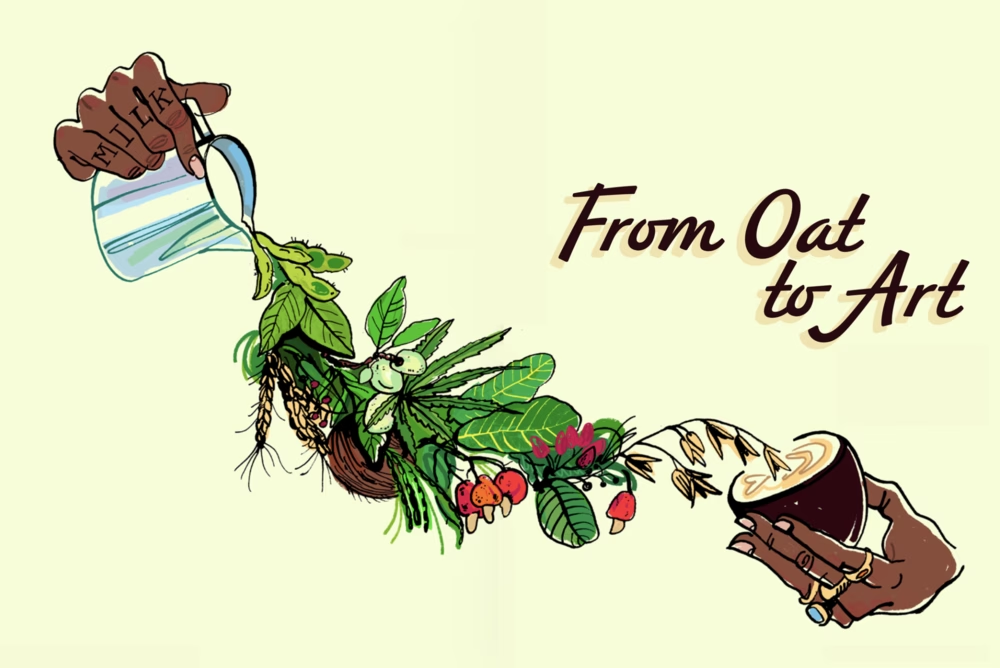
A look at how plant-based milks are taking over the industry + how to make the most of them in your drinks.
BY JOSH RANK
FOR BARISTA MAGAZINE
Featured image by NoNo Flores
You don’t need to brew great coffee to pour impressive latte art, but a killer rosetta usually means a barista takes real pride in their craft. Plant milks, however, have been challenging when it comes to latte art. Alternative, plant-based milks have always been around, but they’ve had a real renaissance over the last decade or so.
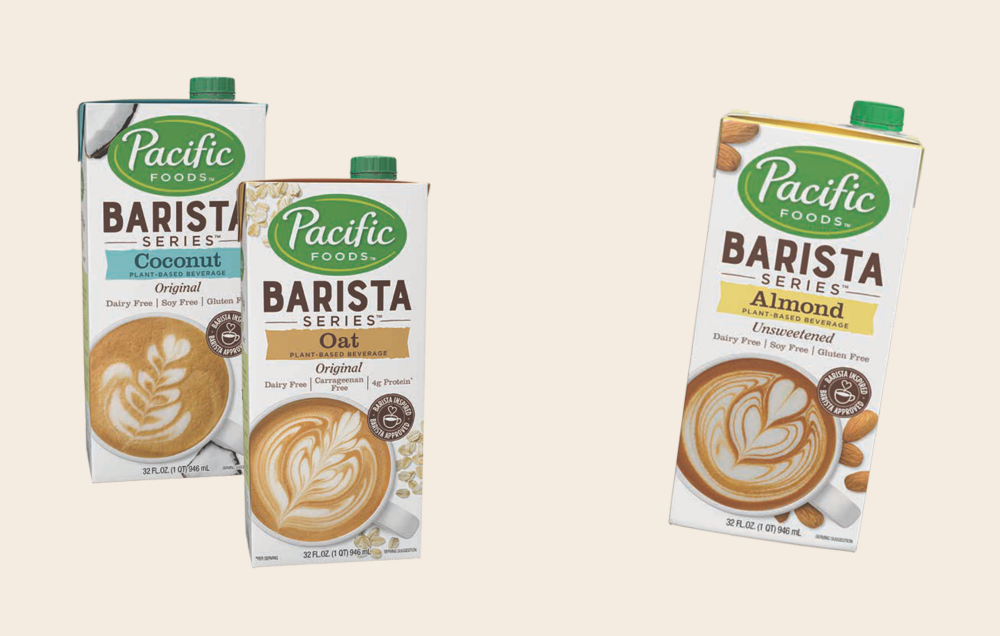
“There has been tremendous growth in plant milk over the past 10 years, both in dollar sales/volume and varieties sold,” says Debra Kaminski, director of foodservice marketing at Pacific Foods, which produces the Barista Series line of plant milks. “There has also been tremendous growth, specifically for use in coffee.”
So, how did plant milks become so popular? How do you conquer plant milks? And what can we expect moving forward?
The plant milk takeover
Plant milk is nothing new. However, customer perception of alternative milks has evolved.
“Consumer preferences have shifted toward nondairy options due to dietary restrictions, ethical considerations, and environmental concerns,” says Lem Butler, 2016 U.S. Barista Champion and co-founder of Black & White Coffee Roasters.
Cafés that might have kept a few cartons of plant milks in stock are now having to keep them on hand at all times. “Over the past decade, the demand for drinks with alternative milks has increased a lot,” says Abner Roldán, co-owner of Café Comunión in San Juan, Puerto Rico. “A decade ago, only about 10%–15% of beverages featured alternative milks. Today, that number has nearly quintupled, with close to 50% of drinks being customized with nondairy alternatives.”
The reasons for the increase in demand are as varied as the people who drink it. “The demand for plant-based options is growing, especially in cafés, and especially driven by Gen Z and millennials,” says Erin
Sumner, trade and activation marketing manager at Minor Figures. “There’s demand for good products from good brands who have a positive impact on the planet.”

Another driving force behind the abundance of plant milks is the variety of options. The market can accommodate everyone’s personal tastes, giving cafés more flexibility in their offerings.
“Oat milk is currently the most popular, overtaking almond and soy,” says Lem, who has exclusively used Pacific Foods’ Barista Series in his shops. “Initially, soy was the standard alternative, followed by a rise in almond milk. But as oat milk became more widely available and barista-friendly, it quickly became the go-to choice in specialty-coffee shops.
How it works
Even if you’ve never worked on a farm, you probably have a pretty good idea of how cow milk works: Cows have an inflated latex glove hanging off their bellies that fills up with milk for some reason, so the farmers come along and squirt it into a bucket. Science!
But what about plants? You can’t milk an almond … right? “Generally speaking, you start with a base ingredient for the beverage—for example, a grain, seed, nut, or something new. These ingredients are
then usually ground into smaller pieces and soaked in water to extract specific nutrients such as simple sugars, proteins, fats, and fibers,” says Erin.
“The science is then about trying to extract the specific ratio of each of these nutrients to create your perfect plant milk. After the extraction is complete, a portion of the solids is removed to make a smooth liquid, which is then blended into a final milk, generally using a combination of ingredients such as oil and mineral salts,” Erin adds. “The liquid is then put through a heating step, which makes it shelf stable, and a homogenization process, which creates a smooth and even product.”

The result is a tasty beverage that mimics the color and consistency of cow’s milk. However, appearances are where the similarities end. “Lactose is present in dairy milk along with other complex proteins,” says Sara Hurtubise, R&D manager at Pacific Foods. “Plant-based beverages do not contain lactose, and the protein/amino acid content varies depending on the plant milk.”
Coffee demands some specific attributes to substitute for cow’s milk properly. The taste and texture can be the difference between a delicious cup of coffee and an acrid elixir that smacks of rat poison. The good news is that plant milk companies keep us coffee nerds in mind when engineering their products.
“Our goal was to create plant milks that complemented the flavor of coffee with the ability to create great texture that could also be used to create latte art,” says Debra of Pacific Foods. “Right from the beginning, Pacific worked with baristas in product development. … We heard that dairy milk was the gold standard for flavor and functionality in coffee. However, baristas also told us that the plant milks should taste like the ingredients used to make them, and that coffee needed to remain the star.”
Tastiness is crucial, but presentation is half the fun! So, how does plant milk stand up to cow’s milk for latte art?
Comparing with the cow
The first time I tried to steam oat milk, it came out looking like Styrofoam. That was 10 years ago. Today, I’m steaming up oat milk and popping tulips and rosettas all over the place. Did I get better? Nope!
I got worse! Some significant advancements have come around in the plant milk world to make latte art a lot easier.
“A decade ago, creating proper latte art with plant-based milk was almost impossible,” says Abner of Café Comunión. “Then, some brands developed their ‘barista-approved’ versions, which helped, but it’s still trickier compared to cow’s milk.”
I once got a paper cut at work, and my boss said, “You’ve got to respect the paper, Josh.” The same goes for plant milks: Understanding what you’re up against when it comes to steaming plant milk helps you treat the process with the respect it deserves.

“Cow’s milk is tough to surpass for latte art, thanks to the fat and protein content that produces a beautiful and stable foam,” says Selina Viguera, café leader at Blue Bottle Coffee. “However, with the
right technique and an understanding of how different plant milks interact with various coffees—especially in terms of acidity—it’s become much easier to achieve comparable results using barista-specific plant milk formulations.”
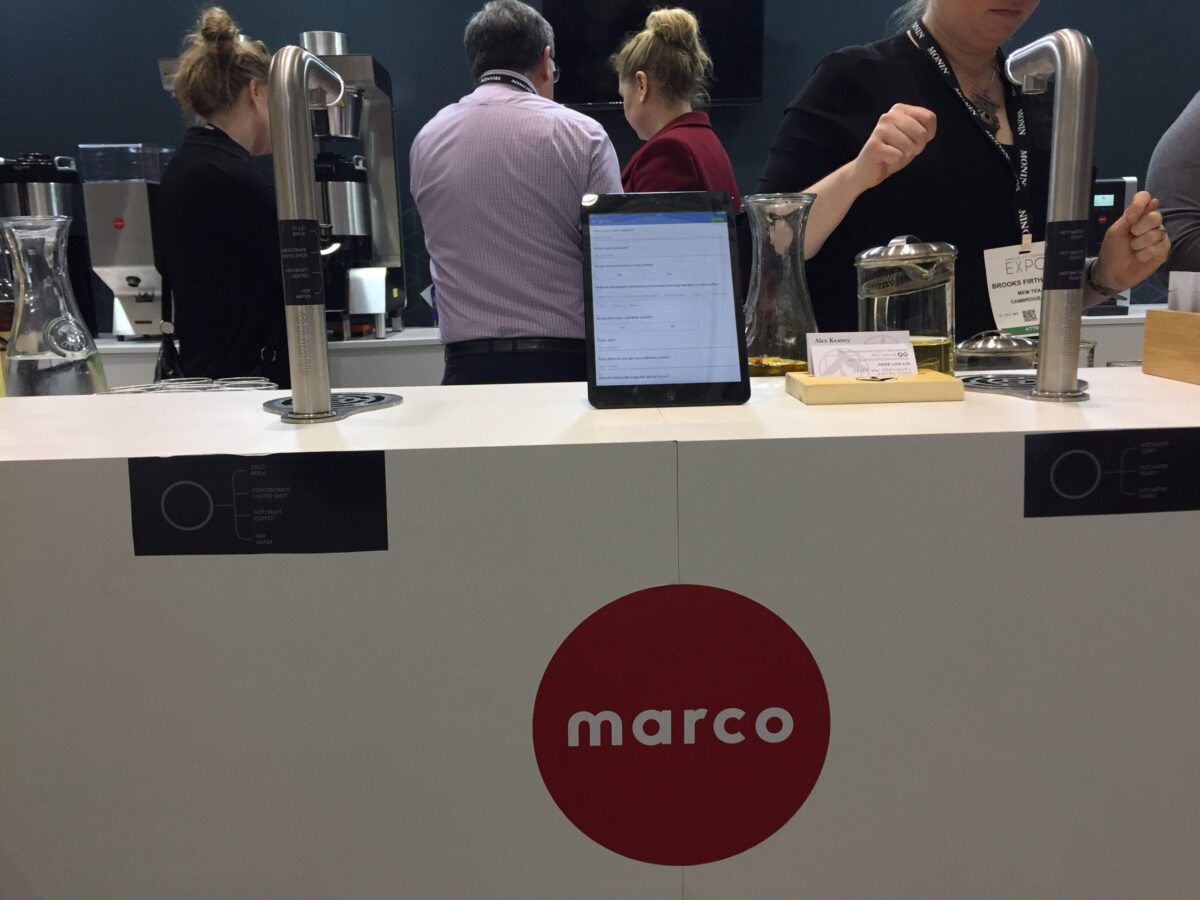
“When you steam or foam milk—whether it’s dairy or plant-based—you’re heating it and incorporating air to create microfoam. But how well that works depends on the milk’s structure,” says Gemma Kiernan, head of marketing at Marco Beverage Systems, whose recently released MilkPal uses aeration technology, producing both hot and cold foam. “In plant milk, proteins can denature quickly under heat, making foam unstable. Fats and oils add creaminess but don’t always support foam structure.”
Plant milk companies want to give you a leg up here, so they spend a lot of time ensuring that their recipes provide what you need to steam drinks properly.
“We have a team of R&D professionals and barista partners who create plant milks with great texture that enables great latte art,” says Debra. Upon moving to Portland, Ore., to work at Pacific Foods, Debra decided to go to some of the city’s specialty-coffee shops and ask the baristas themselves what they wanted from plant milk—something no other plant milk manufacturer had ever done. “Panels of baristas test all our milks to ensure that our products are the best in market in both flavor and functionality,” says Debra.
But even if plant milk is more difficult to steam, it’s not impossible. There are plenty of coffee geeks on Instagram who pour creamy, beautiful lattes that you’d never know didn’t involve a cow in some way. So, how do they do that?
Getting results
The materials you use will go a long way toward your success in pouring that six-stacked tulip with oat milk. And always remember to take your time and pay attention to what’s happening in the pitcher.
“Use barista editions whenever possible; they’re formulated for steaming,” says Lem. “Avoid overheating—plant milks scorch more easily than dairy. Less air, more integration—some plant milks don’t stretch the same way, so it’s better to incorporate microfoam smoothly.”
The type of coffee you’re using can even impact your ability to pour a beautiful cup.

“Depending on the espresso roast level (lighter versus darker), some milks might perform better with a shorter versus longer pull (i.e., ristretto versus a longer pull), or with coffees with less acidity,” says Selina of Blue Bottle. “Additionally, allowing the milk to rest for a few extra seconds before pouring can enhance its performance. Always ensure you’re working with cold milk, as this provides ample time to properly texture and condition it, resulting in a finer microfoam.”
And as always, remember the basics of milk steaming while withholding a few seconds of stretching. “I suggest introducing air for only one or two seconds at the start,” says Abner, who has won the Puerto Rico Latte Art Championship several times. “After you steam a non-dairy or cow milk, you should never stop moving the pitcher to swirl and incorporate the milk so it blends the microfoam smoothly.”
Don’t worry, there’s help
The plant milk companies have your back. Fellow baristas have your back. Even coffee-equipment companies are working to help you conquer plant milk latte art.
“Plant milks demand more from your equipment. They’re more sensitive to heat, more variable in structure, and less forgiving than dairy,” says Gemma of Marco. “That’s why machines need precision: tighter temperature control, customizable profiles, and gentler aeration to suit different formulations.”

Even the pitcher you use will have an impact on the way the milk flows into the cup. “The shape of the pitcher significantly impacts the quality of your latte art. Using the right pitcher size that corresponds to
the cup size you’re pouring into can make a noticeable difference,” says Anita Tam, CEO of Slow Pour Supply. “For most plant-based options, we recommend using a round-to-wide spout (pitcher). This is because foam and liquid tend to separate more quickly in plant-based milks than in whole milk.”
Working with multiple types of milk—occasionally for allergy reasons—introduces a risk of cross-contamination. Don’t worry; companies are helping out with that, too.
“Perfect Moose completely eliminates the risk of cross-contamination by using color-coded, smart pitchers,” says Joren De Roeck, after sales at Perfect Moose. “Contamination is also a non-issue because there’s no milk running through the Perfect Moose device. …. Unlike with the steam wands on semi-automatic espresso machines, no milk is ever sucked into the steam wand.”
The future of plant milk
We’ve seen how plant milks have evolved over the last 10 years, and the momentum to keep improving how they perform in a café setting doesn’t seem to be slowing down.
“Alternative milks will continue gaining popularity as more people prioritize health and sustainability,” says Abner. “Barista-friendly versions have made them more appealing in coffee culture, turning plant
milks from niche alternatives into everyday options.”
At the Specialty Coffee Expo in Houston in April, Pacific Foods Barista Series debuted its Pistachio plant milk, the first pistachio option to be formulated for baristas. While pouring latte art with it at Pacific’s
booth, reigning United States Barista Champion, Kay Cheon was impressed. “It’s easy to pour with. The pistachio notes are present, they don’t overpower,” he says. “What will they come up with next?
ABOUT THE AUTHOR
Josh Rank (he/him) is a writer living in Tennessee with his wife and two dogs. Find more of his ramblings at joshrank.com.

Subscribe and More!
As always, you can get a hard copy of Barista Magazine by subscribing or ordering an issue.
Support Barista Magazine and show your love with a Membership.
Signup for our weekly newsletter.
Join us at Camp Coffee Shop Aug. 10-13 in Napa, California.
Read the April + May 2026 21st Anniversary Issue for free with our digital edition.
For free access to more than six years’ worth of issues, visit our digital edition archives here.
The post From Oat to Art: Pouring Beautiful Lattes With Plant Milk appeared first on Barista Magazine Online.
Comentarios
0 Comentarios